
The Body Always Knows: Winter Wellbeing
Slava Denys from the newsletter team talks with a mental health coach, Fiona L Smith
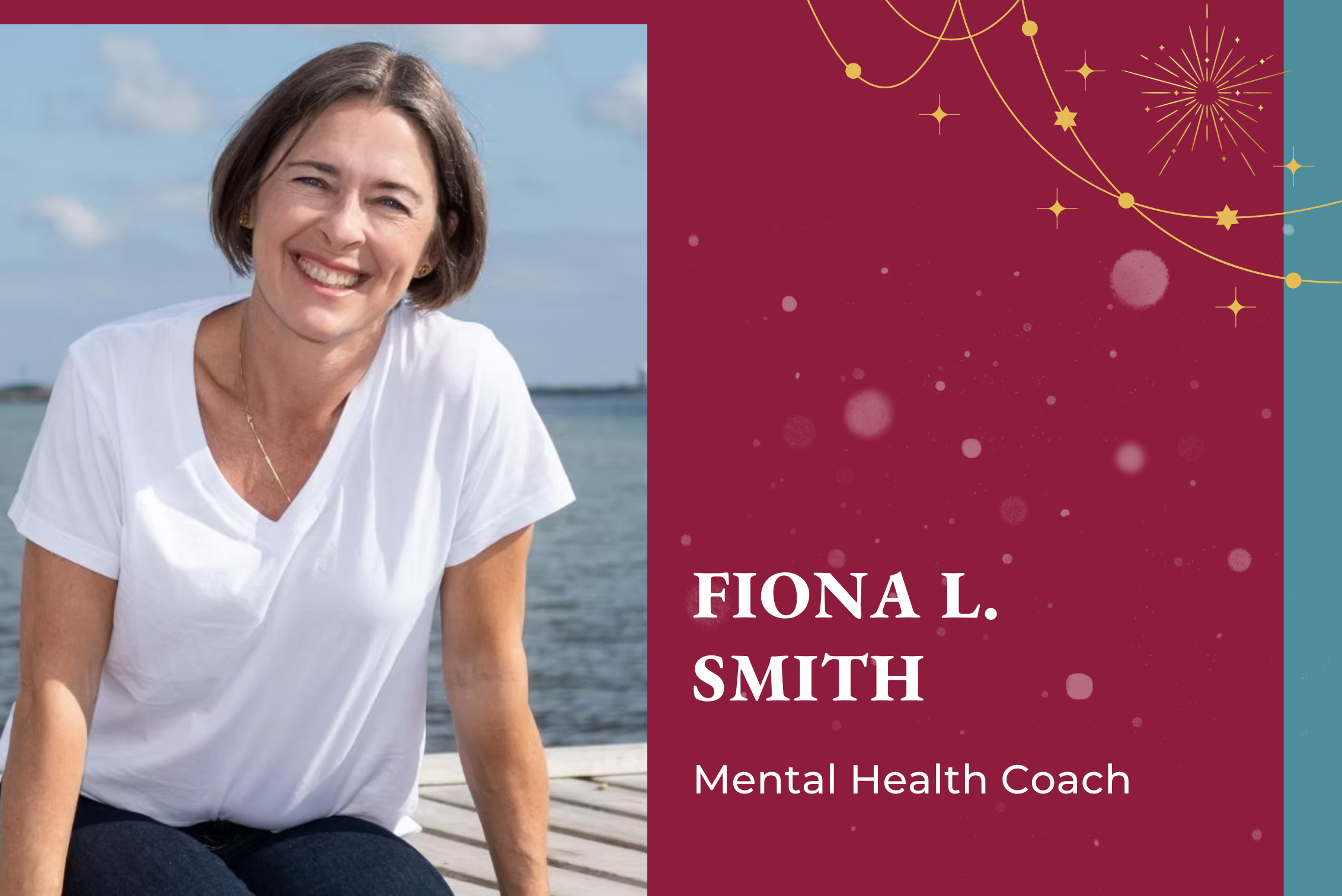
Picture of Fiona L Smith - Mental Health Coach
Slava Denys from the newsletter team talks with a mental health coach, Fiona L Smith
Year-end and year-beginning stress, resolutions, winter blues? Mental health coach Fiona L Smith explains to Slava Denys from the newsletter team why creating new habits often fails in January and what to do differently to make it last. Listen to your body first, your mind will follow. From mindful reflection and festive rituals to hygge, movement, and realistic goals. We will find out together how small, somatic practices can keep you calm, connected, and confident all winter long.
------
“Mindset follows physiology, as opposed to the other way around: regulate – calm and create safety first, and then plan. A grounded, regulated nervous system supports motivation and focus far better than pressure.”- Fiona L Smith
Slava: Reflecting on the past year and making plans for the future is common at this time of the year. How does this affect our nervous system?
Fiona: Reflection gives our nervous system a sense of closure and continuity—a predictable pause. Our brains seek patterns and meaning, so looking back helps us process emotions, recognise growth, and reset intentions. The key is hope: hope for ease, happiness, and purpose. Reflection works best when it’s somatic—through noticing sensations, breath, and gratitude—rather than over-analysing or judging, which triggers stress.
Slava: Winters with their cold and darkness can be challenging. How do you see seasonal stress?
Fiona: We are cyclical beings, but society pushes linear progress. Winter naturally invites slowing down, but performance pressure adds stress. Slowing down biologically—honouring light, rhythm, and rest—supports balance. The nervous system thrives when we act in rhythm with our bodies rather than pushing through resistance.
Slava: How do food and traditions fit into wellbeing?
Fiona: Rituals around food meet deep needs for belonging, safety, and continuity. Traditional meals trigger memories and connection, which calms the body. In Denmark, winter celebrations offer warmth, social regulation, and a sense of tribe. All senses—taste, smell, sight, touch—signal safety. The trick is to enjoy rituals mindfully, without guilt or excess.
Slava: What about winter wellbeing more generally?
Fiona: Light, movement, and connection are crucial. Daily walks in nature, warm layers, and social contact help regulate the nervous system. Micro-practices—pausing to notice beauty, stretching, or mindful breathing—keep energy flowing. Winter invites stillness, but movement and connection prevent stagnation.
Slava: Hygge is a Danish winter staple. How does it relate to the nervous system?
Fiona: Hygge isn’t just aesthetics. It’s a cue of safety: softening the body, deepening breath, feeling connected. Shared warmth, laughter, and comfort signals “I’m safe.” True hygge slows us down and supports embodiment, which helps counter winter stress.
Slava: And New Year’s resolutions—why do they often fail?
Fiona: Resolutions appeal because of hope and control, but abrupt change driven by shame or perfectionism triggers fight-flight in the body. Sustainable change grows from safety, repetition, and self-trust. Choose simple, embodied practices that feel nurturing. Pressure and critique backfire.
Slava: How can we set realistic goals?
Fiona: Start small, connect goals to existing habits and sensory cues, and focus on consistency. Life changes, so goals should flex too. Ask yourself: “Does this feel regulating or depleting? Nourishing or punishing?” The body always knows.
Slava: How should we approach planning change in winter?
Fiona: Winter is for planning, spring is for action. Notice what your body truly needs. Focus on one area at a time—sleep, nutrition, or movement. Regulate first: a grounded nervous system supports motivation far better than pressure. Small daily practices beat dramatic overhauls.
Slava: Why does creation of new habits often fail in January?
Fiona: The nervous system resists sudden change, especially when stressed. Low light, fatigue, and winter cold compound this. Link new habits to existing ones, celebrate small wins, and plan quietly. February is often better for action when the season shifts toward light.
Slava: How should we handle mood swings at year-end?
Fiona: The end of the year brings joy, nostalgia, fatigue, and hope. Allow space to feel—sigh, cry, walk in nature. Don’t judge your feelings; they’re useful information. Emotional release resets the nervous system. Gentle structure, rest, and connection anchor us through the transition.
Slava: What about building self-belief beyond January?
Fiona: Confidence isn’t a mindset; it’s a state of safety and connection. When the nervous system is regulated, self-belief arises naturally. Focus on grounding, self-attunement, and tracking what supports you—sleep, movement, nutrition, laughter, and boundaries. Real confidence is about presence, not perfection.
Slava: How can we allow ourselves pleasures without the guilt to get us through the winter?
Fiona: Pleasure supports wellbeing when conscious, not compulsive. Savor tastes, textures, and connection at meals. Pause, breathe, and enjoy—guilt shuts down digestion and pleasure, while presence energizes the nervous system.
You can find Fiona’s Website here.
Connect with her on LinkedIn here.
Get access to her amazing Toolkit here.