
Financial Fitness: The Sport That Builds Your Confidence
Do you love money? Or are you afraid of it?
By: Slava Denys
Photos: Val Khorishko, Styled by Ophelia Wu
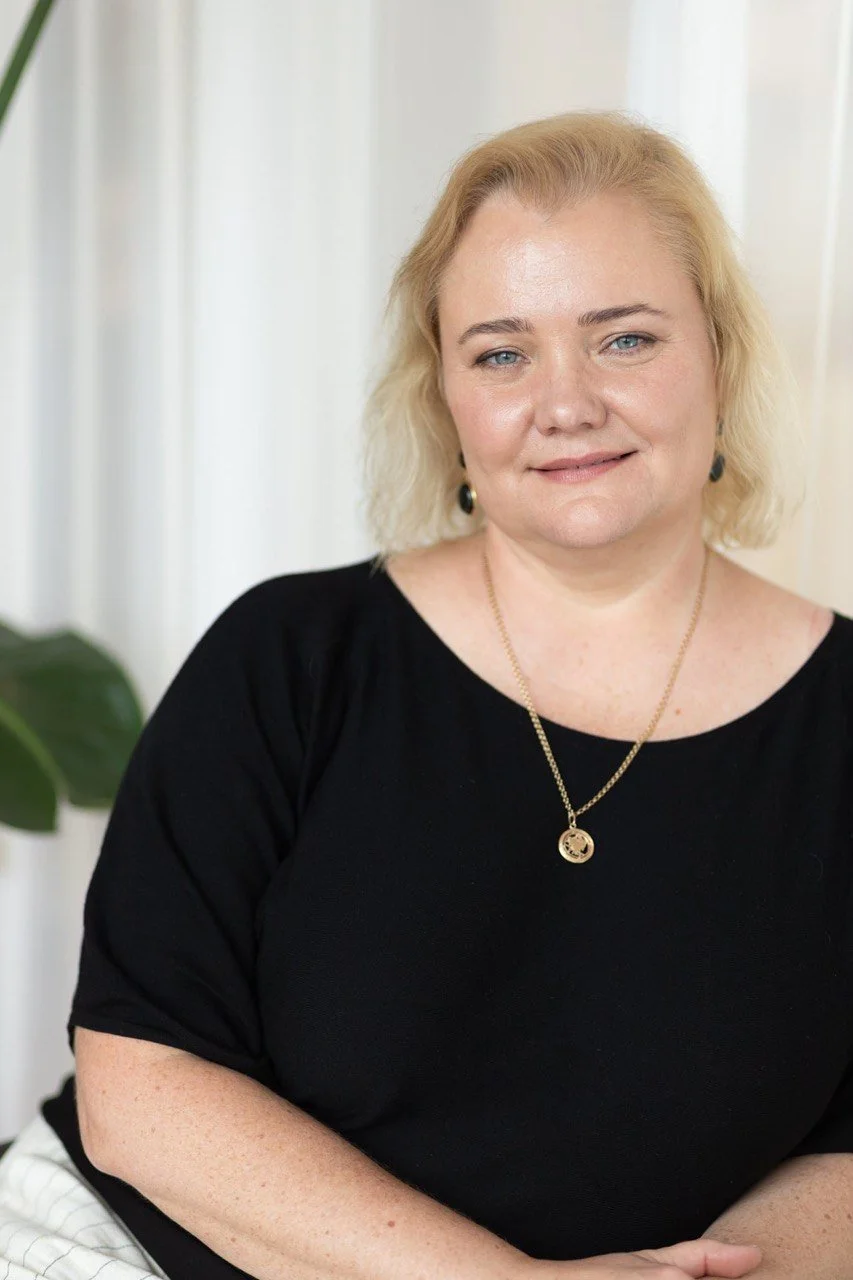
Is money your best friend - or your worst enemy? Do you enjoy talking about personal finance, or is it a topic you'd rather avoid?
We believe money can actually be an interesting - and even fun - topic when you approach it like a sport. You don't become fit after one workout, and you don't become financially confident overnight. It takes curiosity, practice and small, consistent steps.
In this edition, Slava Denys talks to Anastasija Loseva - Career Club DK member, Social Media Team Lead and financial professional - about building financial fitness, developing a healthy relationship with money, and why understanding your finances is one of the best investments you can make.
Going to the gym isn't the goal in itself - the goal is becoming healthier and stronger. The same applies to your finances.
As an international herself, Anastasija, a wife and mother of two, knows how overwhelming learning about finance and taxation can feel at first. However, she believes you don't have to become an expert overnight. The most important thing is to build a healthy relationship with your money.
Being financially fit means understanding where your money goes, recognising your spending habits, building a financial safety net, and making informed decisions about saving and investing. Financial confidence doesn't come from luck. It comes from knowledge and consistent habits.
Confidence Starts with Curiosity
Anastasija is a confident person, so it's no surprise that she sees confidence as an important part of our relationship with personal finance. Money is still considered a taboo topic in many cultures, particularly among women. Yet avoiding the conversation doesn't make financial decisions any easier.
Many people feel intimidated by money because they think they should already know everything. But that's rarely the case, especially when moving to a new country with a completely different financial system.
There is no shame in asking how a tax card works, what information needs to be updated, or how additional income may affect your finances. The "simple" questions are often the most important because they lay the foundation for financial confidence.
The more openly we discuss money, savings, taxes and investing, the more independent and empowered we become. Knowledge replaces uncertainty, and confidence follows.
Don't Let Tax Become a Mystery
One of the biggest misconceptions, Anastasija says, is that taxes are something you only need to think about once a year. In reality, your financial situation changes throughout your life. A new job, freelance work, a side business, multiple income streams or relocating can all affect your taxes.
Another common mistake is assuming that everything happens automatically. While employers handle salary payments and tax withholding, you are still responsible for making sure your information is correct and up to date.
Staying organised, keeping track of your income and expenses, and updating your information when your circumstances change can save you from unpleasant surprises later.
Financial Wellbeing Is Freedom
For Anastasija, financial wellbeing is about much more than the balance in your bank account. It's about feeling secure, having choices and knowing you can manage whatever life throws at you.
You don't need to know everything to take control of your finances. You simply need the willingness to learn, ask questions and keep improving.
Financial fitness is a lifelong practice. Just like physical fitness, consistency matters more than perfection. Every informed decision, every question you ask and every new habit you build is an investment in your future - and in your confidence.
Having a healthy relationship with money brings peace of mind and a little more confidence in everyday life.
You shouldn't spend money recklessly, but you also shouldn't be so frugal that life passes you by. A healthy money mindset is built on balance.
A good rule of thumb is to build an emergency fund that can cover around three months of living expenses.
The 40-40-20 Rule: A Smarter Way to Budget
Anastasija recommends dividing your monthly income into three categories: 40%, 40% and 20%.
40% for fixed expenses you can't easily change, such as rent, insurance and utilities.
40% for flexible spending, including groceries, clothing, travel and entertainment- expenses you can adjust depending on your priorities and circumstances.
20% for savings and investments, including your emergency fund and long-term financial goals.
Anastasija believes money should be like a partner - neither your boss nor your employee. Build a healthy relationship with it by treating it as an equal partner: understand it, respect it and learn to work with it.
Start with the basics. Ask questions and learn step by step. Every new piece of knowledge builds confidence. Be proactive and engaged in managing your personal finances. Stay curious, think strategically and become the financial director of your own life.